The cultural significance of casinos in shaping modern entertainment
The Historical Evolution of Casinos
Casinos have a rich history that dates back centuries, playing a vital role in the social fabric of various cultures. Originally, gambling was often linked to rituals and celebrations, evolving from simple games into complex systems of chance. The first modern casinos appeared in the 17th century, with the Casino di Venezia in Italy being one of the earliest. These establishments quickly transformed into centers of social interaction and entertainment, making them a focal point in many communities. Today, players in Canada can find the fastest withdrawal online casino canada to enjoy quick access to their winnings.

As casinos gained popularity, they became symbols of glamour and excess. The roaring twenties saw a significant surge in casino culture, particularly in places like Las Vegas and Monte Carlo. This period marked the transition from traditional gambling houses to lavish resorts that offered not just games of chance, but also high-end dining, luxury accommodations, and spectacular entertainment options. The integration of casinos into mainstream culture has since shaped perceptions of leisure and luxury, influencing modern entertainment landscapes.
Today, casinos continue to evolve, driven by technological advancements and changing societal values. The emergence of online gambling has revolutionized access to casino experiences, transcending geographical limitations. This shift not only reflects changing consumer preferences but also highlights the enduring appeal of casinos as a unique blend of risk, excitement, and social interaction. The cultural significance of casinos is intricately tied to their ability to adapt and thrive amidst evolving entertainment modalities.
The Social Impact of Casinos
Casinos serve as vital social hubs, fostering community connections and interactions among diverse groups of people. They provide a shared space where individuals can come together to engage in entertainment and socialization. Whether it’s a high-stakes poker game or a casual night out at the slots, casinos create opportunities for bonding, laughter, and camaraderie. This social aspect underscores the importance of casinos as more than just venues for gambling; they are essential components of modern social life.
Moreover, casinos often host events and promotions that draw large crowds, thereby contributing to local economies. Fundraisers, live concerts, and sporting events held at casinos attract not only gamblers but also individuals looking for entertainment options. These events can significantly boost local business, from hotels to restaurants, demonstrating the broader economic impact that casinos can have on their surrounding communities.
However, the social implications of casinos are multifaceted. While they foster community interaction, concerns about gambling addiction and its consequences persist. It is crucial for casinos to promote responsible gaming initiatives and support resources for those affected by problem gambling. By balancing their social responsibilities with their entertainment offerings, casinos can continue to be positive cultural forces in society.
The Role of Casinos in Contemporary Entertainment
In today’s entertainment landscape, casinos have evolved beyond traditional gambling venues to become comprehensive entertainment complexes. Many now feature concert halls, theaters, and dining experiences that rival top-rated restaurants. This transformation reflects a broader trend toward immersive entertainment experiences, where gaming is only one component of a multifaceted visit. This evolution is especially evident in destinations like Las Vegas, where entire resorts are designed to captivate visitors with a blend of gaming, shows, and nightlife.
Furthermore, casinos have embraced innovative technologies to enhance the customer experience. The integration of virtual reality and mobile gaming options allows for unique and engaging interactions with casino offerings. Gamification and themed gaming experiences attract a younger demographic, ensuring that casinos remain relevant in an increasingly digital age. These advancements not only enrich the entertainment value of casinos but also reinforce their status as cultural landmarks.
Additionally, the rise of e-sports and competitive gaming has led many casinos to incorporate these elements into their offerings, creating new avenues for engagement. By aligning with contemporary entertainment trends, casinos are not only adapting to changing consumer preferences but also reshaping the broader entertainment industry. This cultural significance continues to evolve as casinos redefine what it means to provide entertainment in the modern era.
The Intersection of Art and Casinos
Casinos have long been associated with art, from their architectural designs to the artwork displayed within their walls. The lavish interiors of many casinos feature works by renowned artists, contributing to a sensory experience that goes beyond gaming. The aesthetic choices made in casino design play a critical role in shaping the overall atmosphere, creating environments that are both inviting and stimulating. This intersection of art and entertainment elevates the casino experience, allowing patrons to immerse themselves in a visually captivating space.
Furthermore, casinos often sponsor or host art exhibitions and performances, expanding their cultural footprint. Collaborations with local artists and performers not only enrich the casino environment but also foster community engagement. Such initiatives can transform a casino into a cultural venue, where art and entertainment coexist harmoniously. This blending of artistic expression with gaming helps to redefine perceptions of casinos as mere gambling establishments, positioning them as vital contributors to cultural dialogue.
The influence of pop culture on casinos also cannot be overlooked. Films, music, and literature often portray casinos as glamorous locales filled with intrigue and excitement. This representation fuels public fascination and reinforces the cultural significance of casinos as symbols of adventure and risk. As casinos continue to intertwine with various art forms, they will likely play an even more prominent role in shaping contemporary cultural narratives.
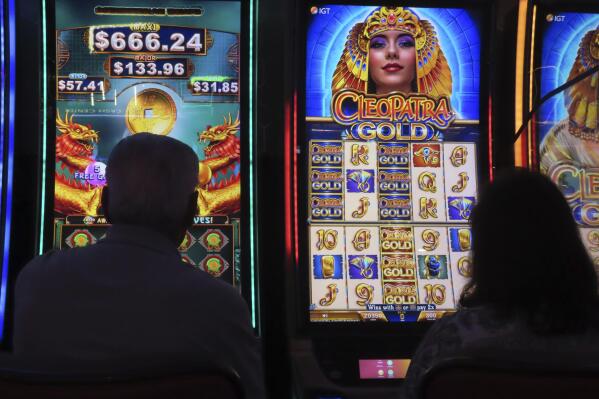
Understanding Modern Casino Culture through Online Platforms
The rise of online casinos has profoundly influenced modern casino culture, providing players with unprecedented access to gaming experiences from the comfort of their homes. This shift has democratized gambling, allowing a broader audience to engage with casino games without geographical restrictions. Online platforms have expanded the definition of what constitutes a casino, making it possible for players to enjoy a rich array of gaming options, from slots to live dealer experiences.
Moreover, the online gambling landscape fosters a global community of players who share a passion for gaming. Social features such as live chats and community forums enhance the interactive experience, enabling players to connect across borders. This global interaction contributes to a shared culture of gaming that transcends individual casinos, reflecting broader trends in modern entertainment consumption.
As online casinos continue to evolve, they are incorporating features that enhance engagement and entertainment, such as gamification and personalized experiences. The convenience and immediacy of online gaming appeal to today’s fast-paced lifestyles, further embedding casinos into the fabric of contemporary culture. The adaptability of online platforms ensures that casinos remain relevant, catering to changing consumer preferences while continuing to shape the future of entertainment.
Leave a Reply